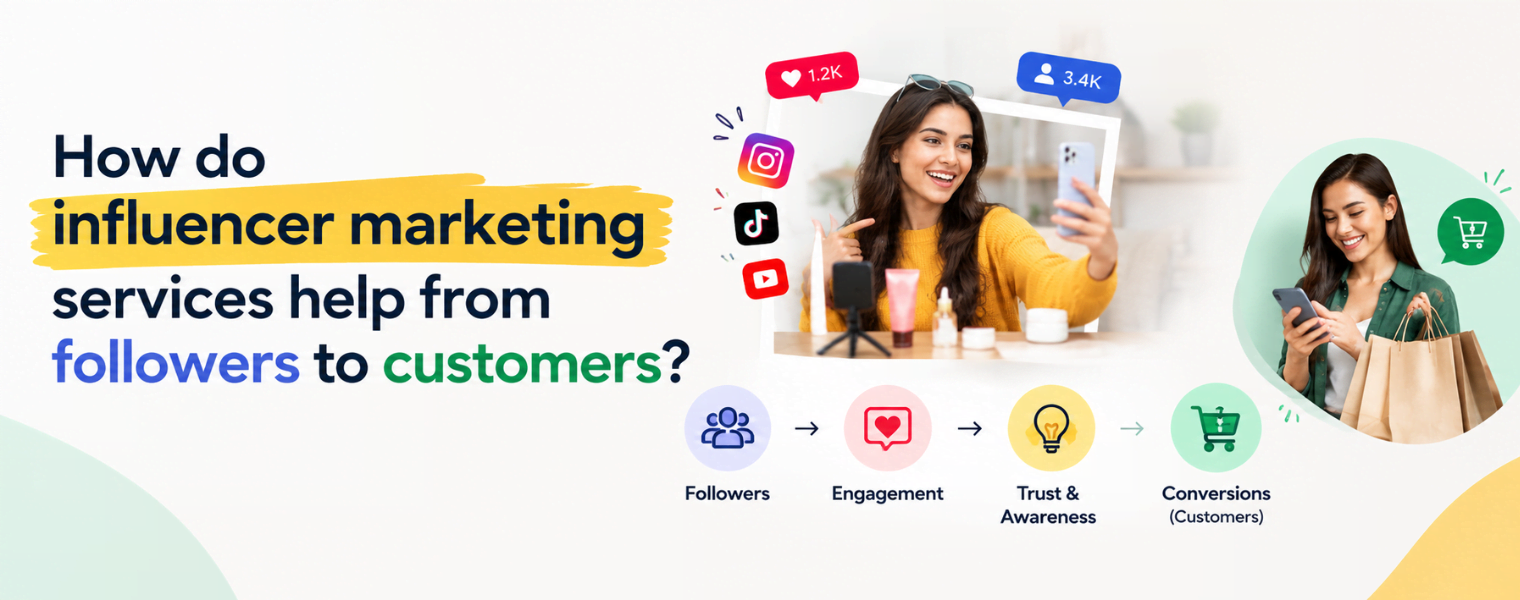
In today’s hyperconnected world, consumers don’t trust ads—they trust people. That’s the core reason why influencer marketing has become one of the most powerful strategies for brands in 2026. It’s not just about celebrities endorsing products anymore; it’s about authentic voices driving real engagement and shaping purchasing decisions through social media.
Understanding Influencer Marketing
Influencer marketing is a form of digital marketing that leverages individuals with a strong online presence—known as influencers—to promote a product, service or brand. These influencers build credibility in specific niches such as beauty, travel, fitness, gaming or finance.
Instead of brands directly advertising to consumers, they collaborate with influencers who already have a loyal following. This partnership allows brands to connect with audiences in a more authentic and relatable way, increasing trust and conversion rates.
The Psychology Behind It
Modern audiences are sceptical of traditional ads. They scroll past banners and skip videos in seconds. But when someone they admire—like a YouTuber, Instagram creator or LinkedIn expert—recommends a product, it feels personal and trustworthy. This “word-of-mouth digital evolution” is what makes influencer marketing so effective.
According to Sprout Social data: almost 86% of consumers make a purchase inspired by an influencer at least once per year.
Also, 49% of consumers say they make purchases at least monthly because of influencer posts.
These numbers show the tangible link between influencer content and consumer behaviour—not just awareness, but actual spending.
Types of Influencers
Influencers are typically classified based on their follower count and niche focus:
-
Mega Influencers (1M+ followers): Often celebrities or global personalities. Ideal for massive brand awareness.
-
Macro Influencers (100K–1M): Professionals or content creators with large, engaged audiences in a specific domain.
-
Micro Influencers (10K–100K): Niche creators with high engagement and loyal followers—often more trusted.
-
Nano Influencers (1K–10K): Everyday consumers who influence small, tight-knit communities.
In 2025–26 data, micro and nano influencers are increasingly valued: brands prefer creators with relevance over sheer reach. For example, 65% of influencers said they want to be involved in creative or product development conversations rather than just follow a stiff brief.
How Influencer Marketing Works
Influencer marketing is a structured process, not random collaboration. Here’s how it typically unfolds:
-
Define Goals and Audience
Brands identify what they want: e.g., raising brand awareness, launching a new product, boosting sales or engagement—and define the audience they want to reach. -
Find the Right Influencer
Choosing the right influencer is critical. Metrics like engagement rate, content quality, niche relevance and audience demographics matter more than just follower numbers. According to the Benchmarks report, nearly half of brands struggle to measure effectiveness of influencer campaigns. -
Build Authentic Partnerships
Success comes from trust and creative freedom. Influencers should have the space to communicate in their own voice. Forced scripts or overly branded posts often turn audiences off.
For instance, 67% of consumers say the key to the best brand-influencer collaborations is being honest and unbiased. -
Content Creation and Campaign Execution
Influencers produce content—posts, videos, stories, reels or blogs—showcasing the product or service naturally. The format depends on the platform (Instagram Reels, YouTube vlogs, TikTok trends, LinkedIn articles).
Example from data: 53% of influencers preferred short-form videos (15-30 seconds) when working with brands. -
Track Performance
Once the campaign is live, brands analyse engagement rates, impressions, click-throughs and conversions to measure ROI. Managers should use tools and benchmarks: e.g., Sprout Social’s Influencer Marketing Benchmarks shows industry-specific metrics across sectors.
Emerging Trends (2025) with Data
The influencer marketing landscape is evolving rapidly, driven by technology, AI and changing consumer expectations. Here are key trends (with supporting data):
-
Budget and Market Size Growth: The influencer marketing industry was valued around US $24 billion in 2024, and is expected to reach about US $32–33 billion in 2025.
-
Platform Preferences: 57% of brands said Instagram is their preferred influencer platform; TikTok is close behind at 52%.
-
Content Format Shifts: As mentioned, >50% of influencers prefer short-form video for collaborations.
-
Influencer Involvement: 65% of influencers want creative input.
-
Long-term Partnerships: Brands are shifting from one-off posts to longer-term collaborations: half of influencers charge between US $250-$1,000 per post, yet 71% offer discounts for long-term partnerships.
-
B2B Influencer Marketing Rising: 49% of B2B marketers predict influencer content will trend in 2025; 58% of B2B teams already use an “always-on” influencer approach.
Benefits of Influencer Marketing
-
Enhanced Credibility: Influencers lend trust and relatability to your brand.
-
Higher ROI: Many campaigns out-perform traditional ads in cost-effectiveness and conversions. Data shows 86% of consumers bought an influencer-recommended product at least annually.
-
Targeted Reach: Brands reach niche audiences through creators who already understand them.
-
Improved Engagement: Influencer-driven content sparks conversations, shares and user-generated content.
-
SEO & Brand Awareness: Collaborations increase social mentions, backlinks and visibility across platforms.
Real-World Examples
-
Nike × TikTok creators: Using micro-influencers to launch challenges globally (framework leverages short‐form video + community).
-
Glossier: Built much of its brand identity via influencer recommendations and real consumer advocacy.
-
B2B Brands on LinkedIn: Technology and services brands collaborate with LinkedIn influencers for webinars and product education, aligning influencer content with corporate buying cycles.
Final Thoughts
Influencer marketing isn’t a passing fad—it’s a strategic evolution of trust-based marketing. Brands that prioritise authenticity, long-term partnership, data-backed campaign design and content relevancy are the ones poised to dominate the noise.
In short: it works because it taps into what people value most—human connection, credibility and relevance. And the numbers back it up.